Cogita EDA

A New Paradigm

Verification Analytics: a new paradigm in semiconductor design

Cogita-PRO is built to make sense of big data generated in chip verification. Instead of forcing engineers to sift through endless logs and waveforms, Cogita-PRO ingests them all — simulation outputs, emulation traces, HW/SW logs — and builds a unified, searchable database. On top of that, it layers advanced data visualization, statistical analysis, and multiple AI/ML algorithms to automatically spot anomalies, find correlations, and uncover patterns you might otherwise miss.

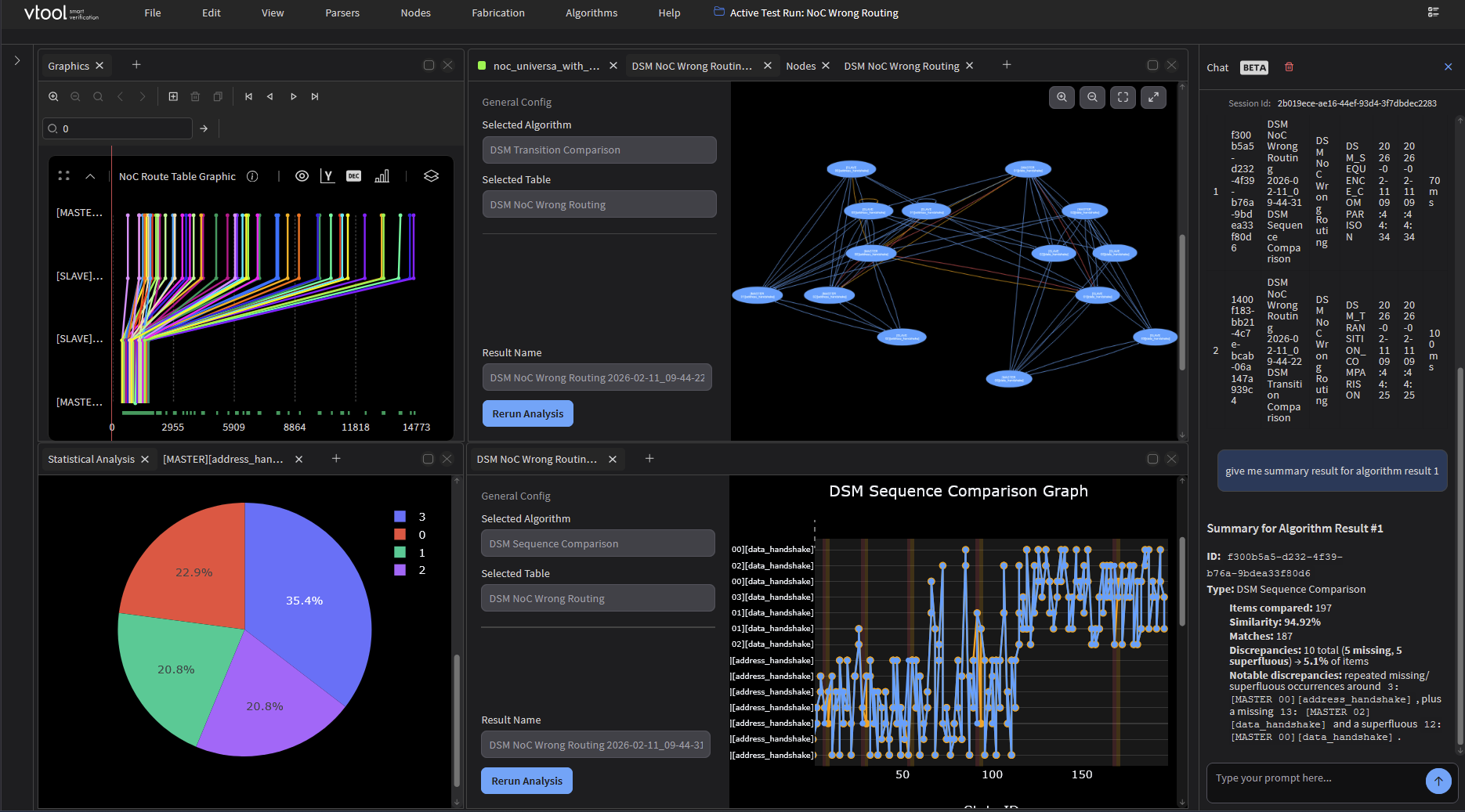
Cogita-PRO workspace with NoC route table graphics, DSM comparison graphs, statistical analysis, and the AI chat assistant

Capabilities

Use the Power of Big Data Analytics

Cogita-PRO transforms complex verification data into actionable insights, helping you debug faster and ship better chips with confidence.

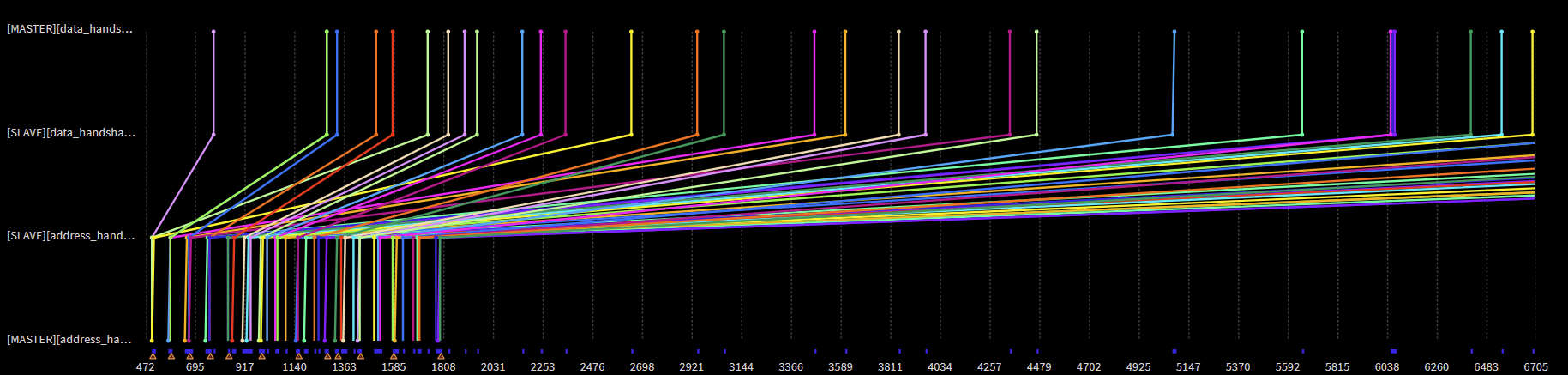
Transaction flow visualization tracing master and slave handshakes over time

01

Exploration and first debugging sessions

Verification engineers use the advanced GUI or chat prompts to explore data and gain the needed insights. For AI-generated testbenches, this also acts as a human-in-the-loop step. These explorations are then converted into automations, speeding up data input.
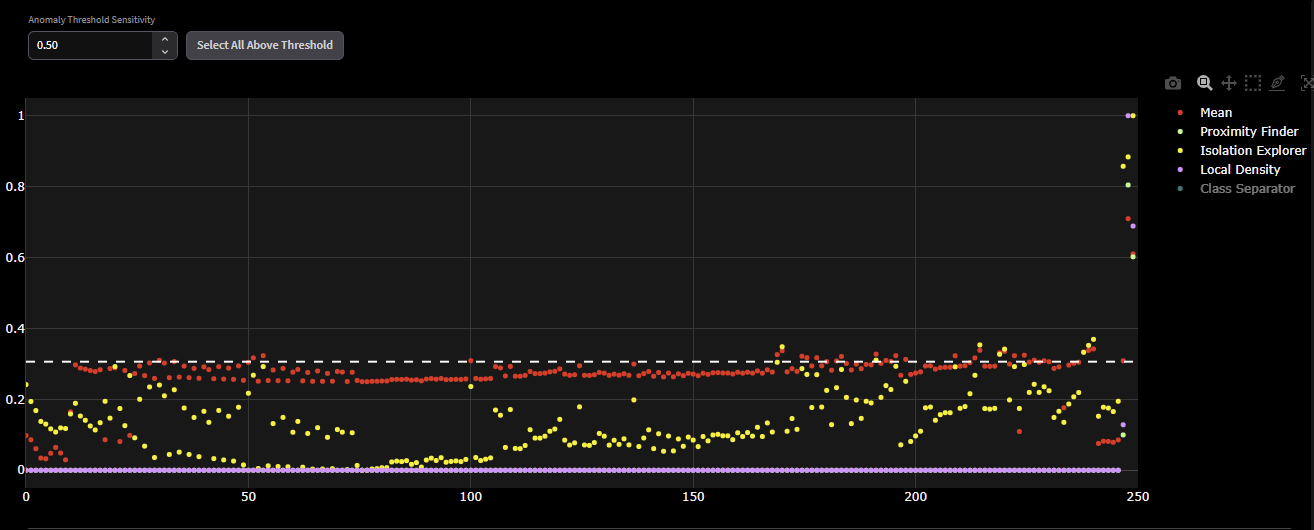
Anomaly detection scatter plot comparing multiple ML algorithms against a threshold

02

Insight-driven analysis tools

Various algorithms, ML techniques, visualizations, and other tools help deliver insights, including: debugging and failure analysis, regression trend tracking, stimuli quality and coverage, anomaly detection, and system performance.

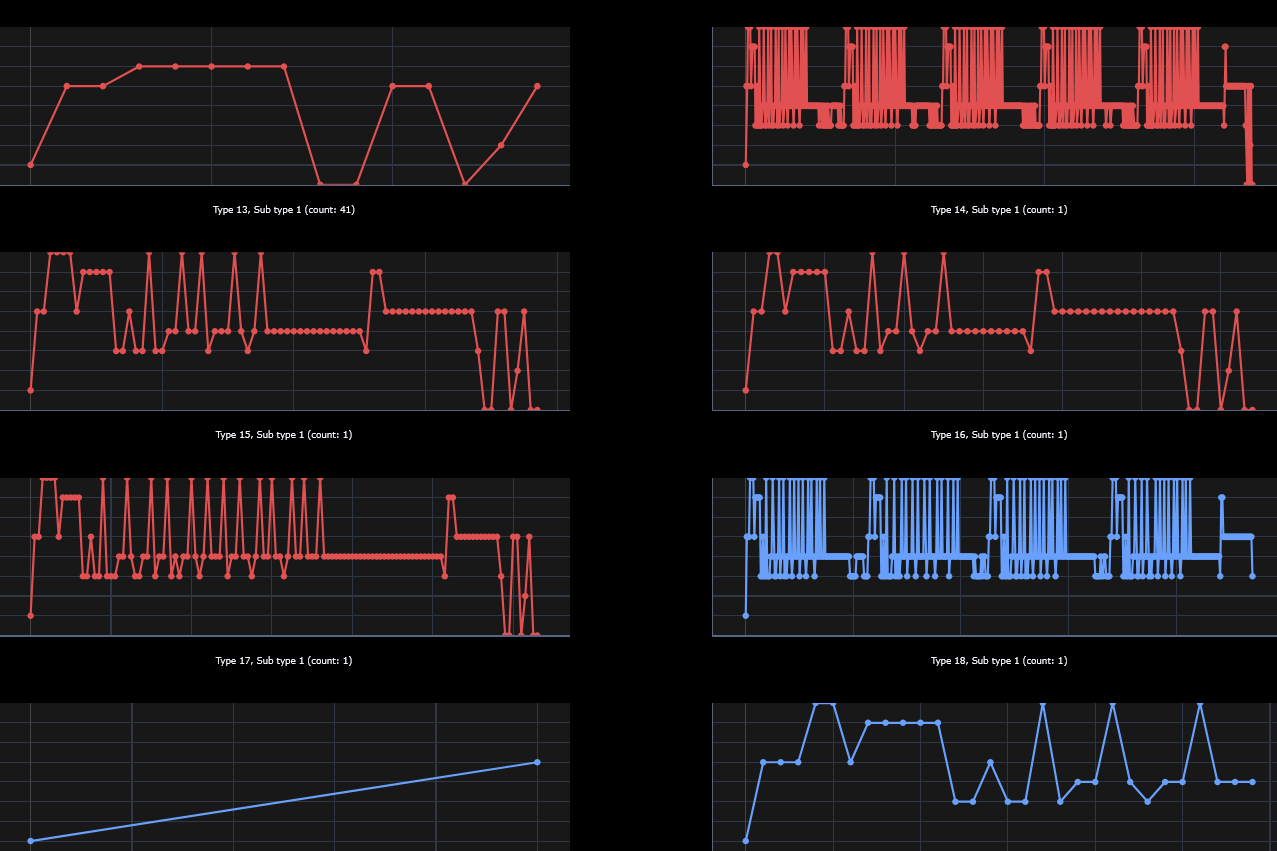
Grid of clustered transition pattern charts grouped by type and subtype

03

Scalable across levels, workflows, and teams

Usage scales vertically from IP to subsystem to SoC to emulation. It scales horizontally from explorations to fully automated CLI and regressions, processing data in real time. It also scales across teams, making expert insights accessible to juniors and newcomers.

Why It Matters

Intelligence layered on top of your EDA environment

Electronic design automation software enables engineers to design, simulate, verify, and validate complex semiconductor systems. Whether you refer to it as EDA in VLSI, semiconductor EDA, or electronic design automation, the goal is the same: accelerate reliable EDA chip design and deliver high-quality silicon. As EDA technology evolves toward AI-assisted flows and cloud EDA infrastructure, companies building advanced SoCs need more than traditional electronic design automation tools. They need intelligence layered on top of their EDA simulation, regression, and debug environments.

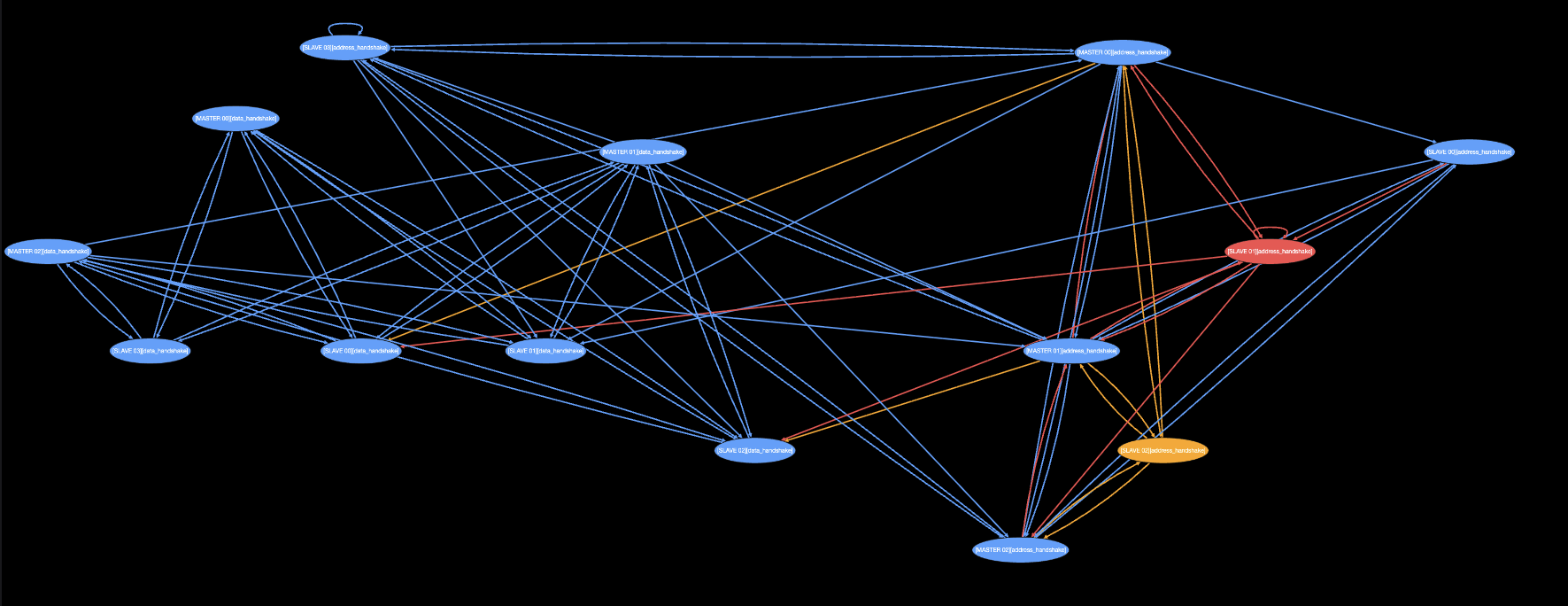
NoC topology graph with anomalous master-slave connections highlighted in red and orange

See the Root Cause, Not Just the Symptoms

The result is a faster, clearer path from “something's wrong” to “here's exactly why.” Cogita-PRO can pinpoint the origin of failing transactions, highlight unexpected behaviors, and reveal coverage gaps or performance bottlenecks before they turn into late-stage headaches. Whether you're checking the quality of your stimuli, analyzing transaction flows, or optimizing throughput, Cogita-PRO turns raw data into actionable insight — without the grind of staring at waveforms for hours.

Built to Scale with Your Team and Your Design

It scales with your project, from IP blocks to full SoCs, from exploratory debug to fully automated regressions. It also captures the knowledge of your most experienced engineers and makes it accessible to the whole team, helping juniors ramp up faster and teams collaborate more effectively. In a world where both human-written and AI-generated testbenches are the norm, Cogita-PRO gives you the clarity, speed, and confidence to close verification faster and build better chips.

How It Works

Cogita-PRO Under The Hood

Cogita-PRO layers analytics, exploration, and scale on top of your existing verification flow — from the first debug session to fully automated regressions.

01

Verification Analytics tool with AI modeling

Various algorithms, ML techniques, visualizations, and other built-in tools help deliver insights.

02

Insight-driven exploration and debugging

Engineers use the advanced GUI to explore data and gain the needed insights.

03

Scalable across levels, workflows and teams

Usage scales vertically from IP to subsystem to SoC to emulation.

FAQ

Frequently Asked Questions about Cogita

What is an EDA verification tool?
An EDA (Electronic Design Automation) verification tool is software used to validate semiconductor and chip designs before manufacturing. It analyzes design behavior through simulation, regression testing, and data analysis to detect errors early. Tools like Cogita enhance this process using AI to improve accuracy and reduce verification time.
What does EDA mean in semiconductor design?
EDA (Electronic Design Automation) refers to a category of software used to design, simulate, verify, and optimize electronic systems, including ASICs and SoCs. EDA tools are essential in the semiconductor industry for ensuring that chip designs function correctly before fabrication.
How is AI used in EDA verification?
AI is used in EDA verification to automate complex tasks such as anomaly detection, log analysis, and pattern recognition. AI-driven tools like Cogita can identify hidden issues, reduce manual debugging, and accelerate regression testing, making verification faster and more reliable.
What are the benefits of AI-driven verification tools?

AI-driven verification tools improve efficiency by:

  • Detecting anomalies in large datasets
  • Automating debugging and log analysis
  • Accelerating regression testing
  • Improving overall SoC performance validation

Cogita applies these capabilities to reduce verification cycles and increase design confidence.

What is anomaly detection in EDA?
Anomaly detection in EDA is the process of identifying unusual patterns in simulation or test data that may indicate design flaws. AI-based anomaly detection, as used in Cogita, helps engineers find issues that traditional EDA tools may miss.
How does Cogita improve debugging compared to traditional EDA tools?
Cogita enhances debugging by using AI to analyze logs, correlate events, and identify root causes automatically. Unlike traditional debugging tools, it reduces manual investigation and speeds up issue resolution in complex chip designs.
Can Cogita be used for ASIC and SoC verification?
Yes. Cogita supports ASIC verification and SoC performance analysis by providing tools for latency measurement, throughput evaluation, and regression testing. It helps ensure that designs meet performance and reliability requirements before taping out.
What is cloud EDA and does Cogita support it?
Cloud EDA refers to running electronic design automation tools on cloud infrastructure instead of local machines. Cogita can be integrated into cloud-based EDA workflows, enabling scalable verification, faster processing, and collaboration across distributed engineering teams.
What metrics are important in EDA verification?

Key metrics in EDA verification include:

  • Latency measurement — how quickly a system responds
  • Throughput measurement — how much data is processed over time
  • SoC performance efficiency — overall system optimization

Cogita provides AI-assisted insights into these metrics to improve chip performance.

Cogita-PRO Blog

Insights, Tips & AI Trends

Performance

RTL Performance Isn’t Just a Number - It’s a Story

Checking ASIC performance differs from functional verification: it's not only about correct outputs but also whether they arrive fast enough, within resource limits, and at expected throughput.

Olivera StojanovićMarch 13, 2026
Product Release

New Product Release: Cogita-PRO 2.0

We’re excited to announce the new AI-driven architecture of Cogita-PRO - purpose-built for large-scale verification data, combining intelligent log structuring, advanced analysis algorithms, and high-performance visualization.

Olivera StojanovićFebruary 11, 2026
Performance

Cogita-PRO Anomaly Detection

One of the most useful features of Cogita-PRO is anomaly detection. By definition, an anomaly is something that happens unexpectedly and rarely, deviating from the norm — an outlier.

Olivera StojanovićJanuary 21, 2026

Clarity Starts with Cogita-PRO

Turn overwhelming verification data into insight you can act on. Cogita-PRO helps your team find answers faster — and move from complexity to confidence.

Book a Demo